
☎ (586) 500-7647
| 47766 Van Dyke Ave, Shelby Township, MI 48317
Say goodbye to chips, cracks, and gaps in your teeth
Cosmetic dental bonding is one of the most versatile and affordable ways to enhance your smile in a single visit. At Roam Dental in Shelby Township, Dr. Barbu uses tooth-colored composite resin to repair chips, cracks, gaps, and discoloration — delivering natural-looking results that blend seamlessly with your surrounding teeth. If you're exploring cosmetic dentistry options, bonding is often the fastest and most cost-effective starting point.
On This Page
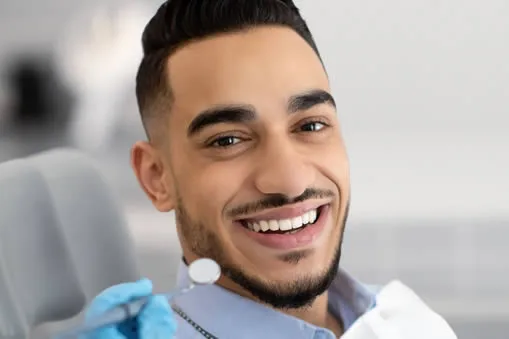
Cosmetic dental bonding is a procedure in which a tooth-colored composite resin is applied directly to the surface of a tooth, then sculpted and polished to match surrounding teeth perfectly. The material is carefully selected to blend with your natural tooth shade, making the repair virtually invisible to anyone who looks at your smile.
Bonding is highly effective at correcting a wide range of imperfections — chips, cracks, small gaps, mild discoloration, and even slightly misshapen teeth. It's one of the most affordable and least invasive cosmetic options available, often compared favorably to porcelain veneers for minor corrections.
Because bonding requires little to no removal of natural tooth enamel, it's a reversible procedure — making it an excellent choice for patients who want to improve their smile without committing to a more permanent alteration. Most bonding cases are completed in a single appointment with beautiful, immediate results.

In most cases, cosmetic bonding requires little to no anesthesia — making it a comfortable, stress-free experience. Dr. Barbu begins by lightly roughening the tooth surface and applying a conditioning liquid that helps the resin bond securely to the enamel. The composite resin is then matched to your natural tooth color and applied in layers.
Each layer is shaped and sculpted by hand to achieve the desired form, then hardened using a special UV curing light. Once the resin is set, Dr. Barbu polishes the surface until it reflects light just like a natural tooth. The entire process typically takes 30–60 minutes per tooth and is completed in a single visit — no temporary restorations, no waiting for a lab.
After bonding, you can eat and speak normally right away. Some patients choose to combine bonding with professional teeth whitening beforehand to ensure the resin shade is matched to a brighter baseline. Schedule a consultation today to see if bonding is right for you.

Dental bonding and porcelain veneers both improve the appearance of teeth, but they differ significantly in cost, durability, and the extent of correction they can achieve. Bonding is faster, less expensive, and requires no enamel removal — making it ideal for minor chips, small gaps, and single-tooth corrections that need a quick, reversible fix.
Porcelain veneers, on the other hand, are more durable, highly stain-resistant, and better suited for comprehensive smile changes involving multiple teeth or more pronounced imperfections. Veneers typically last 10–20 years with proper care, compared to 3–10 years for bonding depending on wear and maintenance habits.
Dr. Barbu will evaluate your smile goals, budget, and the extent of the corrections needed to recommend the best option for you. Many patients start with bonding and later upgrade to veneers — there's no wrong starting point. Book a consultation to explore your options with Dr. Barbu today.
Dental bonding offers a unique combination of speed, affordability, and effectiveness. Here's why so many patients choose it:
Most bonding procedures are completed in one appointment, often in under an hour per tooth — with immediate, visible results.
Bonding is significantly more affordable than veneers or crowns, making cosmetic improvement accessible without a large investment.
Unlike veneers, bonding requires minimal to no tooth preparation — your natural enamel is preserved and the procedure is fully reversible.
The composite resin is color-matched to your existing teeth, creating seamless, natural-looking results that blend perfectly with your smile.
Bonding effectively addresses the most common cosmetic complaints — from minor chips and cracks to small gaps and surface discoloration.