☎ (586) 500-7647
| 47766 Van Dyke Ave, Shelby Township, MI 48317
Preventive care starts with regular dental cleanings
One of the most important steps in maintaining a healthy smile is scheduling regular professional dental cleanings. While daily brushing and flossing are essential, they cannot remove hardened tartar that builds up over time. At Roam Dental in Shelby Township, our hygienists provide thorough preventative care that keeps your teeth clean, your gums healthy, and your smile looking its best — catching potential problems before they become costly treatments.
On This Page
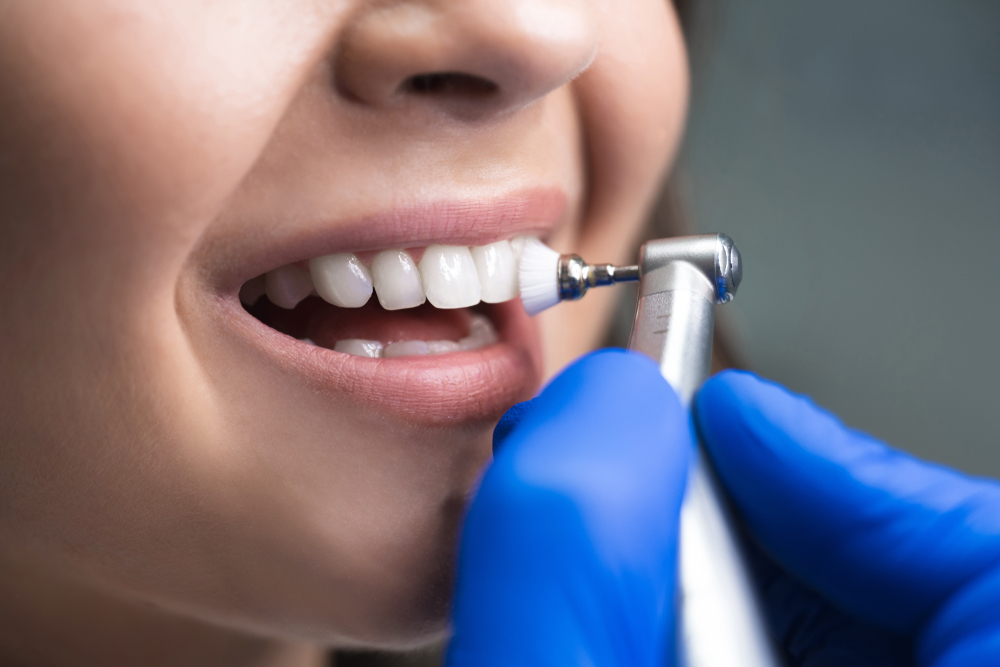
A professional dental cleaning — also called prophylaxis — is a thorough removal of plaque, tartar (calculus), and surface stains from all surfaces of your teeth, including areas your toothbrush and floss can't reliably reach. Our hygienists use ultrasonic scalers and hand instruments to gently clear deposits above and below the gumline.
After scaling, your teeth are polished with a gritty prophylaxis paste that removes surface stains and leaves the enamel smooth, making it harder for bacteria to adhere. Flossing between every contact point ensures no debris is left behind. A fluoride treatment may also be applied to strengthen enamel.
Regular cleanings do far more than make your teeth feel fresh — they're one of the most effective ways to prevent cavities, gum disease, and tooth loss before they ever start. Most patients need this care every six months to stay on track.
A routine prophylaxis cleaning is performed on patients with healthy gums or mild buildup. It addresses plaque and tartar above the gumline and in shallow pockets around the teeth. This is the standard twice-yearly cleaning most patients receive.
A deep cleaning — known as scaling and root planing — is recommended when a patient shows signs of periodontitis, where tartar has accumulated below the gumline in deeper pockets. This procedure involves smoothing the root surfaces to remove bacterial deposits and encourage the gum tissue to reattach to the tooth.
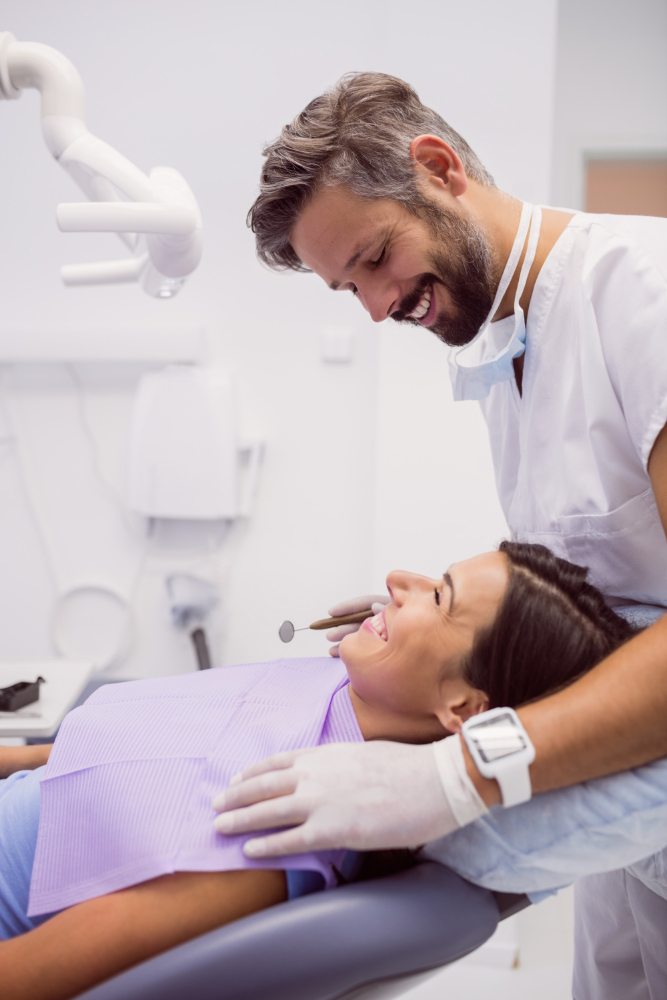
At your cleaning appointment, our hygienist will perform periodontal charting to measure pocket depths and determine which type of cleaning you need. If signs of gum disease are detected early, a deep cleaning can often reverse or halt its progression before tooth loss occurs.
For most patients, a professional cleaning every six months is the standard recommendation from the American Dental Association. This interval gives plaque enough time to accumulate but not enough time to harden into heavy tartar deposits or cause significant gum damage.
Some patients benefit from more frequent cleanings — typically every three to four months. This includes patients with a history of periodontal disease, patients who are prone to rapid tartar buildup, smokers, diabetics, and those with compromised immune systems. Your hygienist will recommend the ideal interval based on your periodontal health at each visit.
Don't wait for a toothache or visible problem to schedule your next cleaning. Preventative visits save you time, money, and discomfort by catching issues early. Book your cleaning appointment at Roam Dental today and stay ahead of dental problems before they start.
Professional cleanings do more than leave your teeth feeling smooth — they are a cornerstone of long-term oral and overall health:
Removing plaque and tartar before they erode enamel is the most reliable way to prevent cavities from forming between visits.
Every cleaning includes a visual exam that can catch early signs of cavities, gum disease, oral cancer, and bite problems before they escalate.
Bacteria-laden plaque and food debris trapped below the gumline are the leading cause of chronic bad breath. A thorough cleaning eliminates this at the source.
Prophylaxis polishing removes surface stains from coffee, tea, and food — leaving your teeth noticeably brighter without any bleaching agents.
Gingivitis caught early is completely reversible. Regular cleanings remove the bacterial buildup that drives gum inflammation before it advances to irreversible periodontitis.
A twice-yearly cleaning costs a fraction of fillings, crowns, or periodontal therapy. Consistent preventative care is the most cost-effective dental investment you can make.