
☎ (586) 500-7647
| 47766 Van Dyke Ave, Shelby Township, MI 48317
Protect your teeth and restore your natural smile
When a tooth is damaged, weakened, or missing, dental crowns and bridges provide strong, natural-looking solutions that restore both function and aesthetics. At Roam Dental in Shelby Township, Dr. Barbu uses modern materials and techniques to craft restorations that look, feel, and perform like natural teeth — helping you smile, chew, and speak with confidence.
On This Page
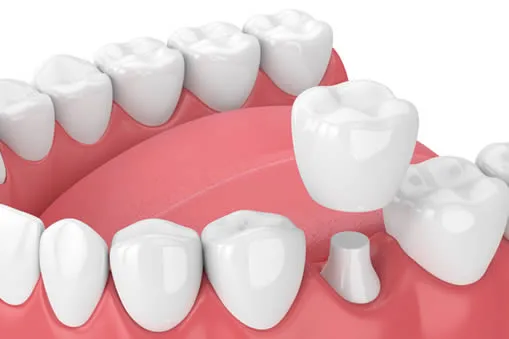
A dental crown is a custom-made cap that fits entirely over a damaged or weakened tooth, restoring its original shape, size, strength, and appearance. Crowns are one of the most versatile restorations in dentistry — used when a tooth is too compromised to be repaired with a simple filling alone.
Crowns are commonly recommended after a tooth has been severely decayed, cracked, or broken, following root canal therapy to protect the treated tooth, or to cover a dental implant. They can be made from porcelain, ceramic, metal alloy, or a combination — Dr. Barbu will recommend the best material based on the tooth's location and your functional needs.
Modern porcelain and zirconia crowns are indistinguishable from natural teeth in color and translucency. Once placed, a crown fully encases the visible portion of the tooth, providing long-term protection against further damage while delivering a beautiful, natural result.
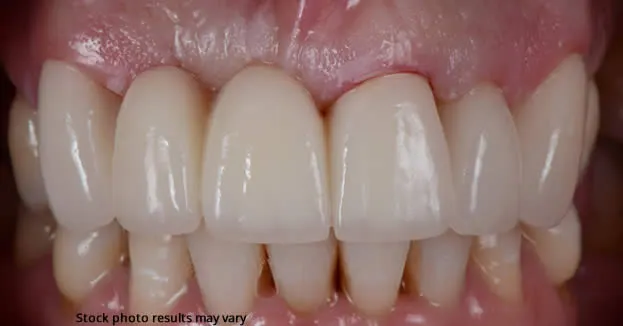
A dental bridge literally "bridges" the gap left by one or more missing teeth. It consists of one or more artificial teeth — called pontics — anchored in place by crowns placed on the healthy teeth on either side of the gap. The result is a fixed, non-removable restoration that looks and functions like natural teeth.
Traditional bridges rely on crowns cemented to adjacent natural teeth, while implant-supported bridges are anchored to dental implants and do not involve the neighboring teeth at all. The right type depends on your bone health, the location of the gap, and how many teeth are missing. Bridges are an excellent alternative to dentures for patients who want a fixed solution.
Leaving a gap after tooth loss allows surrounding teeth to shift, increases the risk of bone loss, and affects bite alignment. A dental bridge placed promptly prevents these complications while immediately restoring your smile's appearance and chewing function.

Most crown and bridge procedures are completed in two visits. At the first appointment, Dr. Barbu prepares the tooth by removing a small amount of enamel to make room for the crown, then takes precise digital impressions. A temporary crown or bridge is placed to protect the tooth while the permanent restoration is crafted at the dental lab.
At the second visit — typically two to three weeks later — the temporary is removed and the permanent crown or bridge is tried in, adjusted for fit and bite, and cemented into place. The entire process is performed under local anesthesia for your comfort, and most patients find it no more involved than a standard filling appointment.
Once your crown or bridge is permanently placed, caring for it is straightforward: brush twice daily, floss carefully around the restoration, and attend regular cleanings. With proper home care and routine dental visits, your restoration can last a decade or more. Schedule your consultation to find out which option is right for you.
Crowns and bridges deliver lasting functional and cosmetic benefits that improve your quality of life. Here's what makes them the preferred restorative choice:
Crowns and bridges allow you to chew, speak, and bite with the same force and comfort as your natural teeth — no dietary restrictions required.
Porcelain and zirconia materials are color-matched to your surrounding teeth so precisely that your crown or bridge is virtually indistinguishable from natural enamel.
A crown seals and reinforces a cracked or weakened tooth, preventing further fracture and shielding it from bacteria that could cause decay or infection.
With proper care, well-placed crowns and bridges routinely last 10–15 years or longer — making them one of dentistry's most cost-effective long-term investments.
A dental bridge fills gaps left by one or more missing teeth with a stable, fixed restoration — no removal, no adhesives, and no shifting during meals.
Bridges prevent the bone loss and tooth shifting that occur when gaps are left untreated, maintaining the integrity of your bite and facial structure long term.