
☎ (586) 500-7647
| 47766 Van Dyke Ave, Shelby Township, MI 48317
Save your tooth with root canal treatment at our Shelby Township dental office
Root canal therapy is one of dentistry's most misunderstood procedures — and one of its most valuable. At Roam Dental in Shelby Township, Dr. Barbu uses modern techniques and effective anesthesia to perform root canal treatment that is comfortable, efficient, and ultimately tooth-saving. If you're experiencing tooth pain or have been told you may need a root canal, don't wait — early treatment prevents the infection from spreading and eliminates pain far more quickly than extraction followed by replacement.
On This Page
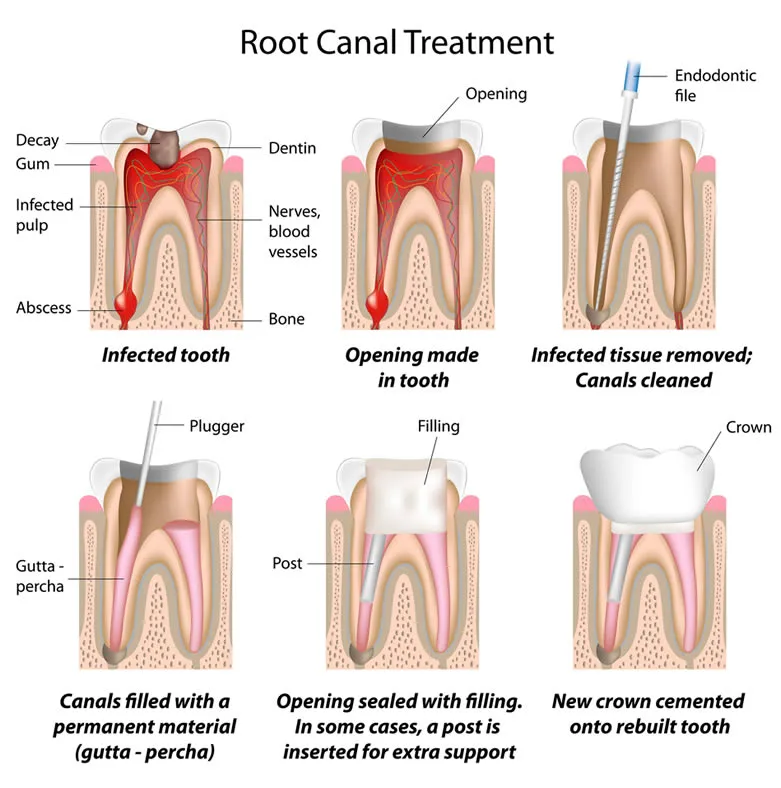
Root canal therapy — also called endodontic treatment — is a procedure that removes infected or inflamed pulp tissue from inside the tooth. The pulp is the soft inner layer containing nerves and blood vessels; when bacteria reach it through deep decay, a crack, or trauma, the result is intense pain and, if untreated, abscess and tooth loss.
Removing the infected pulp eliminates the source of pain and infection, allowing the tooth itself to be preserved. Once cleaned and shaped, the hollow canal is sealed with a biocompatible material called gutta-percha, and the tooth is typically capped with a crown for long-term protection. Saving the natural tooth is almost always preferable to extraction, which requires additional restorative work to fill the gap.
Despite their reputation, modern root canals are no more uncomfortable than having a routine filling placed. The anesthesia completely numbs the area, and most patients are surprised by how straightforward the procedure feels. Many report that the pre-treatment pain from the infection was far worse than the treatment itself.

The most common warning sign is a severe, persistent toothache — especially pain that throbs, wakes you at night, or intensifies when you bite down or apply pressure. Prolonged sensitivity to hot or cold that lingers well after the stimulus is removed is another key indicator that the nerve inside the tooth may be compromised.
Visible changes to the tooth or surrounding gum tissue are also red flags: a darkening or grayish discoloration of the tooth, swollen or tender gum tissue near the tooth, a small pimple-like bump on the gums (called a fistula or sinus tract), or a cracked tooth that has become infected. These symptoms suggest the infection has progressed and prompt treatment is critical — contact our emergency dental team if you are in acute pain.
In some cases, an infected tooth causes no obvious pain at all — the nerve may have already died. This is why routine dental x-rays are so important; Dr. Barbu can identify periapical infections on imaging before they become symptomatic or cause significant bone loss around the root.

Your root canal appointment begins with local anesthesia to completely numb the tooth and surrounding tissue. A rubber dam is placed around the tooth to keep it isolated and free from saliva during treatment. Dr. Barbu then creates a small opening through the crown of the tooth to access the pulp chamber.
Using precision instruments, the infected pulp tissue is carefully removed and the interior canals are cleaned, shaped, and disinfected. The canals are then filled and sealed with gutta-percha — a rubber-like material — to prevent re-infection. A temporary or permanent filling closes the access opening at the end of the appointment.
Most patients experience mild soreness for a day or two after treatment, easily managed with over-the-counter pain relievers. A dental crown is typically recommended following root canal therapy to restore the tooth's full biting strength and protect it from fracture. Schedule your appointment at the first sign of tooth pain — early treatment leads to the best outcomes.
Root canal treatment offers significant advantages over leaving an infected tooth untreated or having it extracted. Here's why it's the preferred solution:
Keeping your natural tooth avoids the need for an implant, bridge, or denture — and nothing functions or feels as good as your original tooth.
Removing the infected pulp stops the source of your toothache immediately and prevents the infection from spreading to adjacent teeth or the jawbone.
Root canal treatment can be performed the same day for patients in acute pain, providing immediate relief from the severe discomfort of a dental abscess or pulp infection.
With today's anesthetics, rotary instruments, and magnification technology, root canals are performed efficiently and with minimal discomfort for the patient.
A crown placed after root canal therapy seals and strengthens the treated tooth, restoring its full function and protecting it from fracture for years to come.