
☎ (586) 500-7647
| 47766 Van Dyke Ave, Shelby Township, MI 48317
Understanding tooth extractions: what to expect
At Roam Dental in Shelby Township, we always prioritize saving your natural teeth — but when a tooth is too damaged, infected, or problematic to restore safely, extraction is the most appropriate path to protecting your overall oral health. Dr. Barbu performs tooth extractions with a gentle, minimally invasive approach and effective anesthesia so you remain comfortable throughout, followed by a clear plan for restoring your smile afterward.
On This Page
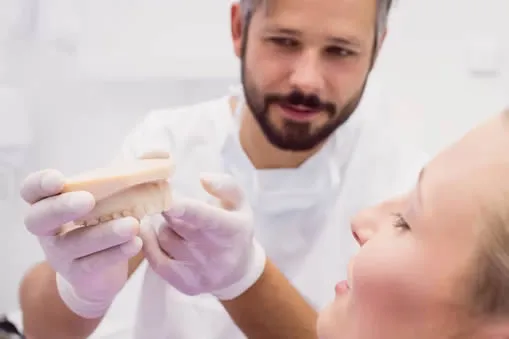
Tooth extraction becomes necessary when a tooth is so severely decayed or structurally damaged that it cannot be saved with a crown, filling, or root canal therapy. Leaving a non-restorable tooth in place risks spreading infection to neighboring teeth and the jawbone, so removal is the most protective course of action in these cases.
Impacted wisdom teeth — third molars that become trapped beneath the gumline or erupt at an angle — are one of the most common reasons for extraction. Impacted wisdom teeth can cause pain, infection, crowding, and damage to the adjacent second molars if left untreated. Extraction early, before complications develop, generally leads to easier recovery and fewer risks.
Overcrowding that prevents proper orthodontic alignment may also require strategic extractions, as can baby teeth that fail to fall out on their own schedule. In every case, Dr. Barbu will explore whether the tooth can be saved before recommending extraction — your natural teeth are always the first priority.

Immediately after the extraction, you'll bite down on a gauze pad for 30–45 minutes to help a clot form in the socket. This clot is critical to healing — do not disturb it by rinsing vigorously, using a straw, smoking, or touching the area with your tongue or fingers during the first 24 hours. Dislodging the clot can lead to a painful condition called dry socket.
Swelling and mild discomfort are normal in the first 2–3 days and typically peak around day two. Applying an ice pack to your cheek in 20-minute intervals during the first 24 hours helps minimize swelling. Eat soft foods — yogurt, soup, mashed potatoes — and gradually reintroduce your normal diet as healing progresses and comfort allows.
Most patients recover fully within 3–7 days for simple extractions, or 1–2 weeks for surgical extractions such as impacted wisdom teeth. Call our office right away if you experience worsening pain after the third day, fever, heavy bleeding that won't stop, or increasing swelling — these may indicate complications that need prompt attention.

Leaving a gap after a tooth is extracted — even a back tooth that isn't visible when you smile — allows neighboring teeth to drift and tilt into the empty space over time. This shifting leads to bite problems, jaw pain, and makes future restoration more complicated and costly. Replacing the extracted tooth promptly is strongly recommended whenever possible.
A dental implant is the gold standard replacement: a titanium post is placed in the jawbone where the root once was, and a crown is attached on top. Implants look, feel, and function exactly like natural teeth, and they actively preserve the jawbone by continuing to stimulate it. Implants can often be planned at the same appointment as your extraction.
If an implant is not the right option for your situation, dental bridges or partial dentures can also effectively restore the gap. Dr. Barbu will discuss all available options with you — including costs, timelines, and long-term outcomes — so you can make a confident, informed decision about your post-extraction care. Schedule your consultation today.
When extraction is the right choice, our team makes the process as comfortable and straightforward as possible. Here's what you can expect:
Extracting a severely infected tooth eliminates the bacterial source before it can spread to neighboring teeth, gum tissue, or the jawbone.
Dr. Barbu uses minimally invasive instruments and careful technique to loosen and remove the tooth with as little trauma to surrounding tissue as possible.
Effective local anesthesia ensures you feel no pain during the procedure. We take extra care to ensure the area is fully numb before beginning the extraction.
For patients with dental anxiety or those undergoing more involved surgical extractions, sedation options are available to ensure a calm and comfortable experience.
We don't just remove the tooth — we provide a clear path forward with implant, bridge, or denture options to restore your smile and protect your oral health long term.